
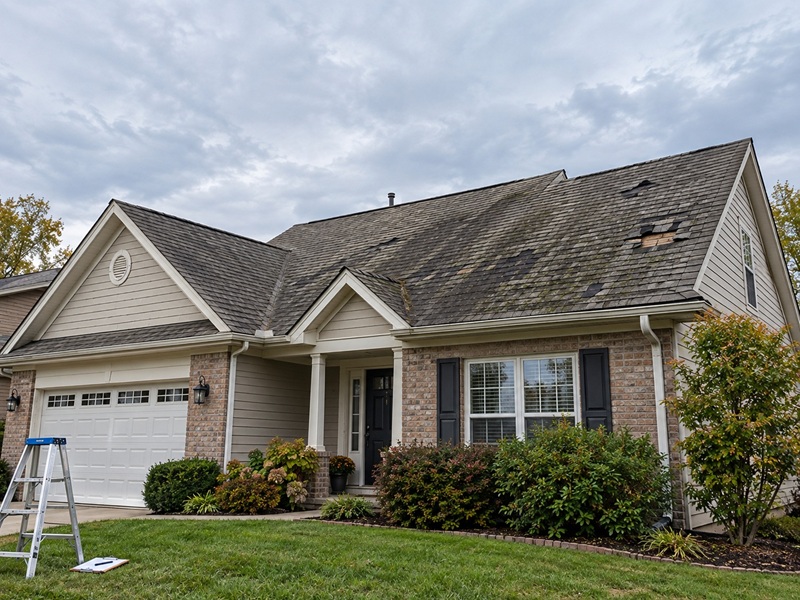
You need a roof replacement, not a repair, when damage is widespread, the roof is near the end of its life, or repairs keep coming back. A single missing shingle is a repair job. Curling shingles across the whole roof, a sagging deck, or leaks in several rooms usually mean it is time to replace.
The hard part is knowing which side of the line you are on. Replacing too early wastes thousands of dollars. Repairing too long can cost you more, because water damage spreads into the attic, insulation, and ceilings.
This guide, written with the Roofing Cop team, shows 9 clear warning signs, what each one means, and a simple rule to decide between repair and replacement.
Quick answer:
- Repair if damage is small and local, and the roof is under about 15 years old.
- Replace if the roof is 20+ years old (asphalt), damage covers roughly 30% or more of the roof, or you have had 2 to 3 repairs in a short time.
- Get a pro inspection if you see sagging, daylight in the attic, or leaks in more than one spot.
Repair vs. Replacement at a Glance
Repairs fit small, isolated problems on a roof with plenty of life left. Replacement fits roofs with widespread wear, structural damage, or repeated leaks.
| Situation | Usually a Repair | Usually a Replacement |
|---|---|---|
| Roof age (asphalt) | Under 15 years | 20+ years |
| Damage area | A few shingles or one small section | Large areas, or more than about 30% of the roof |
| Leaks | One spot with a clear cause | Several spots or repeat leaks |
| Roof deck | Solid and dry | Soft, sagging, or rotten |
| Typical cost | $300 to $1,500 | $8,000 to $16,000+ (asphalt, average home) |
Costs are typical US planning ranges. Verify against current sources and your local quotes.
If you want a deeper comparison of costs and decision rules, read our full guide on roof repair vs. roof replacement.
Sign 1: Your Roof Is at or Near the End of Its Lifespan
If your asphalt shingle roof is 20 to 25 years old, it is close to the end of its life, even if it still looks fine from the street. Age alone is not proof, but it raises the odds that every other problem on this list is coming soon.
Typical lifespans:
- 3-tab asphalt shingles: 15 to 20 years
- Architectural asphalt shingles: 20 to 30 years
- Metal roofing: 40 to 70 years
- Tile or slate: 50+ years
Practical tip: Not sure how old your roof is? Check your home purchase papers, ask the previous owner, or look up the roof permit at your local building department. Many towns keep permit records for decades.
Sign 2: Shingles Are Curling, Cupping, or Buckling
Curled or cupped shingles mean the material has dried out and lost its ability to lie flat and shed water. When it happens across large areas, repair does not fix it.
- Curling: Edges turn up
- Cupping: The middle sags while edges lift
- Buckling: Waves or ripples in the surface
Common causes are age, heat, poor attic ventilation, and cheap or badly installed shingles. If only one slope curls, you may have a ventilation problem to fix at the same time as the roof.
Sign 3: Cracked, Missing, or Blown-Off Shingles Are Widespread
A few missing shingles after a windy night are a normal repair. Missing or cracked shingles all over the roof are a sign the adhesive strip has failed and the roof can no longer hold up in wind.
Walk around your home (from the ground) and look for:
- Bare patches where shingles used to be
- Cracks or splits across shingles
- Shingle pieces in your yard or gutters
- Exposed nails or dark underlayment
Rule of thumb: If damage covers roughly 30% or more of the roof, replacing is often smarter than paying for many patches. Patches also tend to look mismatched on an old roof, because new shingles will not match faded ones.
Sign 4: Heavy Granule Loss
The small gritty granules on asphalt shingles protect them from sun and rain. When they wash away, the shingle ages fast.
Signs of granule loss:
- Sandy grit in your gutters or at the downspout
- Bald or shiny spots on shingles
- Dark streaks where the asphalt layer shows
A little granule loss on a new roof is normal. Heavy loss on a roof older than 15 years means the shingles are wearing out, and no spot repair can restore them.
Sign 5: Your Roof Is Sagging
A sagging roofline or a dip in the roof is a serious warning. It often means water has damaged the decking or rafters, or the structure is carrying too much weight, such as several old layers of shingles.
Look for:
- A visible dip or wave in the roof from the street
- A ceiling that bows or has cracks near the top of walls
- Doors or windows that suddenly stick
Do not ignore this. Call a licensed roofer or a structural professional right away. Do not go on the roof yourself if it looks unsafe.
Sign 6: Leaks and Water Stains in More Than One Place
One leak with a clear cause, like a cracked pipe boot, is usually a repair. Several leaks in different rooms mean water is getting in through a failing roof surface.
Check for:
- Brown or yellow stains on ceilings and walls
- Peeling paint near the roofline
- A musty smell in upstairs rooms
- Damp or dark insulation in the attic
Real-world tip: Water often travels along rafters before it drips, so the stain on your ceiling may be several feet away from the actual leak. This is why a quick patch over the stain often fails and the leak returns after the next rain.
Sign 7: You See Daylight Through the Roof Boards
Go into your attic on a bright day and turn off the lights. If you see beams of light coming through the roof boards, water can get through in the same spots.
Small pinholes around pipes or vents can be sealed. Many holes, large gaps, or light along seams suggest failed decking or extensive damage. While you are there, look for wet insulation, dark stains on the wood, or mold.
Sign 8: Moss, Rot, or Soft Spots
A little moss on a shaded roof can be cleaned. Thick moss, black algae, or spongy areas underfoot point to moisture trapped in the roof.
- Moss and algae: Hold water against the shingles and lift their edges
- Rot and soft spots: A sign the wood deck is damaged and needs replacement
- Mold in the attic: Often means poor ventilation plus a leak
If the deck is soft, replacement is usually the only lasting fix, because a new roof needs a solid surface to hold nails.
Sign 9: You Keep Paying for Repairs or See Rising Energy Bills
If you have paid for 2 to 3 repairs in a few years, or one repair every year, you are throwing money at a roof that is failing. Add up what you spent and compare it with the cost of a new roof.
A simple check: If the repair bill is more than about 30% to 40% of a replacement, and the roof is already 15+ years old, replacing usually makes more sense.
A worn roof and poor ventilation can also raise your heating and cooling bills, because insulation and airflow suffer. If your energy costs have gone up with no other clear reason, ask your roofer to check the attic.
What About Storm Damage?
Hail, high winds, and falling branches can damage a roof that looked fine before. After a big storm, check for dented flashing, bruised or cracked shingles, and granules in the gutters.
- Take dated photos before any cleanup
- Contact your insurance company early and read your policy
- Get a written inspection from a licensed roofer, not just a sales pitch
Be careful of door-to-door contractors who show up right after a storm. Read our advice on choosing a roofing contractor after a storm before you sign a contract or assign your insurance claim.
Repair or Replace? A Simple 4-Question Test
Answer yes or no:
- Is my roof older than 20 years (asphalt) or nearing its rated lifespan?
- Does the damage cover roughly 30% or more of the roof?
- Have I had 2 or more repairs in the last 3 years?
- Is there sagging, rot, or water damage in the attic or deck?
Score:
| Yes answers | What it usually means |
|---|---|
| 0 | Repair is likely enough. Keep a yearly inspection routine. |
| 1 | Get an inspection and a repair quote. Ask about remaining life. |
| 2 or more | Get replacement quotes and compare with the repair cost. |
This test is a guide, not a diagnosis. A licensed roofer should inspect before you decide.
How to Safely Inspect Your Roof Yourself
You do not need to climb up to spot the basics:
- From the ground: Use binoculars to check for missing, curled, or cracked shingles.
- Gutters: Look for granules and debris.
- Attic: Use a flashlight to look for stains, wet insulation, and daylight.
- Ceilings: Check for water spots after rain.
Do not walk on a steep, wet, or old roof. Falls are a leading cause of home-improvement injuries, and a roofer with the right gear can do it safely.
What to Do If You Need a Replacement
- Get 3 written quotes with the same material and scope so you can compare fairly.
- Ask for line items: tear-off, underlayment, flashing, ventilation, deck repair, permit, disposal.
- Check license, insurance, and references before you sign.
- Choose your material. Our guide to the best roofing materials for residential homes can help, and you can also read how metal roofing compares with composite shingles.
- Ask about the workmanship warranty in writing.
Expert Tip from the Roofing Cop team: Before you approve a full replacement, ask the roofer to show you the damage with photos or a drone scan, and to mark exactly where the problem areas are. A trustworthy contractor will show the evidence and explain why repair will not last. If they cannot, get a second opinion.
Frequently Asked Questions
How do I know if I need a roof repair or replacement?
Repair small, local damage on a roof under 15 years old. Replace when damage covers about 30% of the roof, the roof is 20+ years old, leaks appear in several places, or the deck is sagging or soft. A licensed roofer’s inspection confirms the right choice.
How long do asphalt shingle roofs last?
Asphalt shingles usually last 15 to 30 years. 3-tab shingles often last 15 to 20 years, while architectural shingles last 20 to 30 years. Heat, poor attic ventilation, hail, and poor installation can shorten that time, so real-world lifespan varies by climate.
Can I replace only part of my roof?
Yes, a partial replacement is possible if damage is limited to one slope or section and the rest of the roof is in good shape. The new section may not match older shingles, and it will not extend the life of the rest of the roof.
How much does a roof replacement cost compared to a repair?
Repairs often cost $300 to $1,500, depending on the damage. A full asphalt shingle replacement on an average home typically costs $8,000 to $16,000, while metal costs more. Repairing an old roof repeatedly can eventually cost more than replacing it once.
Final Verdict
If your roof is 20+ years old, has widespread damage, or keeps leaking after repairs, replacement is usually the better investment. If the roof is younger and the problem is small and local, a repair will likely do the job.
Do not guess. Get a written inspection, ask to see photos of the damage, and compare repair and replacement costs side by side. Need a second opinion on your roof? The team at Roofing Cop can help you decide whether to repair or replace.
Sources & Methodology
- Lifespan ranges are based on manufacturer guidance and industry sources such as NRCA: [add links].
- Cost ranges are typical US planning estimates. Verify with HomeGuide, Angi, and local quotes: [add links].
- The 30% damage guideline is a common industry rule of thumb, not a legal standard. Local codes and insurance policies may differ.
Disclosure: This article is for general information and does not replace an on-site inspection by a licensed roofer.