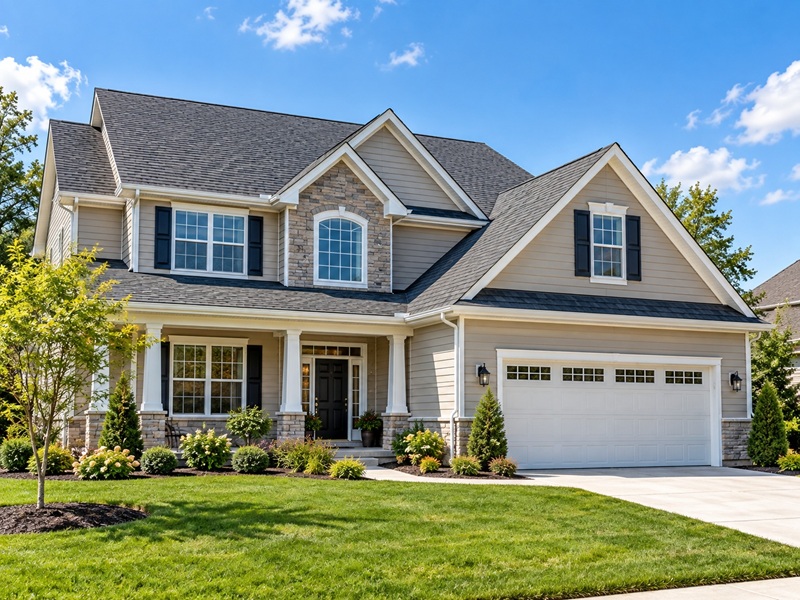
Quick answer: Asphalt shingles remain the best overall choice for most residential homes due to their balance of cost, durability, and easy repairs. Metal roofing is the best long-term investment for homeowners staying 20+ years, while clay tile suits hot climates and synthetic composites offer a lighter, budget-friendly alternative to slate.
Choosing a roofing material for your own home is different from comparing every option on paper. You’re not just weighing pros and cons anymore, you’re deciding what actually makes sense for your house, your street, and your budget. This guide ranks the top residential roofing materials by real-world use case, not just specs.
Best Overall: Asphalt Shingles
For most residential homes in the US, asphalt shingles are still the smartest default choice. They balance affordability, appearance, and ease of repair better than any other material on the market.
Why homeowners choose it:
- Installed cost typically runs $4-$7 per square foot
- Lasts 15-30 years depending on quality and climate
- Available in dozens of colors and architectural styles
- Nearly every roofing crew in the country knows how to install and repair it
A three-bedroom home in a typical suburban neighborhood, for instance, usually gets a full asphalt reroof done in one to two days with minimal disruption. That fast turnaround is a big reason asphalt dominates the residential market.
If you’re weighing asphalt against other materials for your specific home, Roofing Cop’s breakdown of roofing material pros and cons covers the trade-offs in more depth.
Best for Long-Term Value: Metal Roofing
If you plan to stay in your home for two decades or longer, metal roofing often works out cheaper over time, even though the upfront cost is higher.
Why it ranks high for residential use:
- Lifespan of 40-70 years, meaning most homeowners never replace it again
- Reflects heat, which can lower summer cooling costs
- Resistant to fire, rot, and pests
- Sheds snow and rain fast, reducing ice dam risk in colder regions
Standing seam metal panels have also become more common on modern residential designs, not just barns or commercial buildings. A homeowner replacing an aging asphalt roof in a hail-prone region, for example, might choose metal specifically because standard residential-grade panels resist minor hail impact far better than shingles do.
Best for Hot, Dry Climates: Clay and Concrete Tile
In regions like the Southwest and parts of Florida, tile roofing isn’t just a style choice, it’s practical for the climate.
Why it performs well on residential homes:
- Naturally resists heat, helping keep attic temperatures lower
- Lasts 50 years or more with proper maintenance
- Fire-resistant, which matters in wildfire-prone areas
- Complements Spanish and Mediterranean-style architecture common in these regions
The trade-off is weight. Tile is heavy, so older homes may need a structural evaluation before installation to confirm the roof deck can support it without modification.
Best Lightweight Alternative: Synthetic and Composite Roofing
Synthetic roofing has become a popular middle ground for homeowners who want the look of slate or wood without the weight or maintenance.
Why residential homeowners are switching to it:
- Lighter than natural slate, often avoiding the need for structural reinforcement
- Impact-resistant, a real advantage in hail-prone regions
- Lifespan typically in the 40-50 year range
- Lower maintenance than real wood shakes
Quality varies a lot between manufacturers here, so it’s worth checking warranty terms closely rather than assuming all synthetic products perform the same.
Best for Historic or High-End Homes: Slate
Slate isn’t the practical choice for every residential home, but for the right property, nothing else compares.
Why it still ranks among the best:
- Can last 75-100+ years with minimal maintenance
- Naturally fire-resistant
- Adds significant resale value on historic or luxury homes where the material fits the architecture
The catch is cost and weight. Slate frequently runs $15-$30+ per square foot installed and almost always requires structural reinforcement, so it’s best suited to homeowners planning to stay long-term or restoring a period-accurate property.
Best for Rustic or Cabin-Style Homes: Wood Shakes
Wood shingles and shakes remain popular for homes where a natural, textured look is part of the design, particularly cabins and craftsman-style houses.
Why homeowners still choose it:
- Natural insulating qualities that help regulate attic temperature
- Ages into an attractive, weathered appearance over time
- Sourced from renewable cedar or redwood in most cases
Wood requires more upkeep than other materials, including periodic treatment against moisture and pests, and some local building codes restrict it due to fire risk. It’s worth checking with your municipality before committing.
How to Match the Material to Your Home
Instead of picking based on trend or price alone, run through these three checks first:
- Local climate: Hot and dry favors tile, cold and snowy favors metal, humid coastal areas often do best with impact-resistant asphalt or metal.
- How long you’ll stay: Under 10 years favors asphalt or synthetic, 20+ years makes metal, tile, or slate worth the higher upfront cost.
- Roof structure: Heavier materials like slate and tile need a structural check first, which can add unexpected cost if skipped.
For homeowners comparing actual installed pricing rather than national averages, Roofing Cop’s roofing cost guide breaks down typical costs by material and region.
What Building Codes and Fire Ratings Mean for Your Choice
Local building codes often restrict certain materials, especially in wildfire-prone areas. The International Code Council publishes the residential building codes many US municipalities adopt, including fire classification requirements for roofing materials. It’s worth checking your local code before finalizing a material, since some regions require Class A fire-rated roofing regardless of homeowner preference.
Getting the Installation Right Matters as Much as the Material
Even the best material performs poorly with a rushed or inexperienced installation. Not every roofing crew has hands-on experience with metal panels, tile, or slate specifically, so it’s worth confirming that upfront. Roofing Cop’s guide on finding reputable roofing contractors covers how to verify licensing, insurance, and material-specific experience before hiring.
And if you’re dealing with an existing roof that needs patching before you decide on a full replacement, Roofing Cop’s repair cost guide breaks down what typical repairs run so you can decide whether patching or replacing makes more financial sense.
Frequently Asked Questions
What is the best roofing materials for a residential home?
Asphalt shingles are the best overall choice for most residential homes due to their balance of low cost, wide availability, and easy repairs. Metal roofing is the better long-term option for homeowners staying 20 years or more.
What roofing material lasts the longest?
Slate lasts the longest, often 75-100+ years, followed by metal roofing at 40-70 years. Both require higher upfront investment than asphalt.
Which roofing material adds the most home value?
Metal and slate roofing tend to add the most resale value due to their longevity, though the return depends heavily on your local market and the style of your home.
Is metal roofing noisy during rain?
With proper insulation and solid decking underneath, metal roofing is not noticeably louder than asphalt during rain. The noise concern mostly applies to older, uninsulated metal roofs.
What’s the most budget-friendly roofing material for residential homes?
Asphalt shingles remain the most budget-friendly option, with synthetic composites as a mid-range alternative for homeowners who want a longer lifespan without the cost of natural slate or tile.
Bottom Line
The Best Roofing Materials for your residential home depends on your climate, how long you plan to stay, and what your roof structure can support. Asphalt remains the practical default for most homeowners, metal rewards long-term owners, tile suits hot climates, and slate fits historic or high-end properties. Whichever material fits your situation, pairing it with an experienced, verified contractor makes the biggest difference in how long that roof actually lasts.
1 thought on “Best Roofing Materials for Residential Homes (2026 Guide)”