Quick answer: The most reliable way to find a reputable roofing contractor is to combine local referrals, verified Google/BBB reviews, license and insurance checks, and at least three on-site estimates before hiring. Directories like Roofing Cop pre-screen contractors for licensing and insurance, which cuts down the research work.
If your roof just started leaking or a storm left shingles scattered across your yard, you don’t have time for a long research project. You need a contractor you can trust, fast. Here’s exactly how to find one, in the order that actually works.
Start With People Who Already Paid for the Work
Ask a neighbor, a coworker, or your local Facebook/Nextdoor group who they hired last time. This works better than review sites because you can ask follow-up questions a star rating can’t answer: Did the crew show up on time? Did the final price match the quote? Did they clean up the yard?
For example, a homeowner in Columbus, Ohio recently posted in a local community group asking for roof leak help after a hailstorm. Three neighbors named the same small local company within an hour, all mentioning the same technician by name. That kind of repeated, specific detail is a stronger signal than a generic five-star review with no comments.
Read Reviews the Right Way
Don’t just look at the star average. Open the actual reviews and check:
- Recency: Reviews from the last 6 months matter more than ones from 2021.
- Specifics: A review that mentions “replaced 22 squares of architectural shingles in one day” is more trustworthy than “great service!”
- Owner responses: A company that replies calmly to a bad review, explaining what happened and how they fixed it, is showing accountability.
Google Business Profile, BBB, and Yelp are the three places worth checking. If a contractor has zero reviews after being “in business 15 years,” that’s worth asking about directly.
Confirm the License and Insurance Before Anything Else
This step protects you legally and financially, so don’t skip it even if the contractor comes recommended.
Ask for:
- Contractor license number (verify it on your state’s licensing board website, usually free and takes two minutes)
- General liability insurance (covers damage to your property during the job)
- Workers’ compensation coverage (covers injuries on your property, so you’re not liable if someone falls off your roof)
A real example: in many states, if a roofer isn’t covered by workers’ comp and a crew member gets hurt on your roof, the homeowner can be held financially responsible for medical costs. This single check can save you from a lawsuit, not just a bad repair job.
Use Directories That Already Filter for Quality
Sites like the Better Business Bureau, Angi, and HomeAdvisor screen contractors to some degree, but the depth of screening varies. Roofing Cop takes this further by verifying license status, insurance, and local complaint history before a contractor is listed, so you’re not the one doing that legwork at 9 p.m. after finding a leak.
When comparing directories, check:
- Whether licensing is verified or just self-reported
- Whether reviews are tied to real, completed jobs
- How complaints get resolved, not just whether they exist
Check for Manufacturer Certification
Major shingle manufacturers like GAF, Owens Corning, and CertainTeed certify contractors who complete their training programs. This matters for two practical reasons:
- Certified installers usually qualify you for longer, manufacturer-backed warranties instead of a basic labor-only warranty.
- They’ve been trained on that specific product’s installation requirements, which reduces the chance of a warranty-voiding mistake.
You can usually search “[manufacturer name] certified contractor near me” directly on the manufacturer’s own website to cross-check a contractor’s claim.
Get Three On-Site Estimates, Not Three Phone Quotes
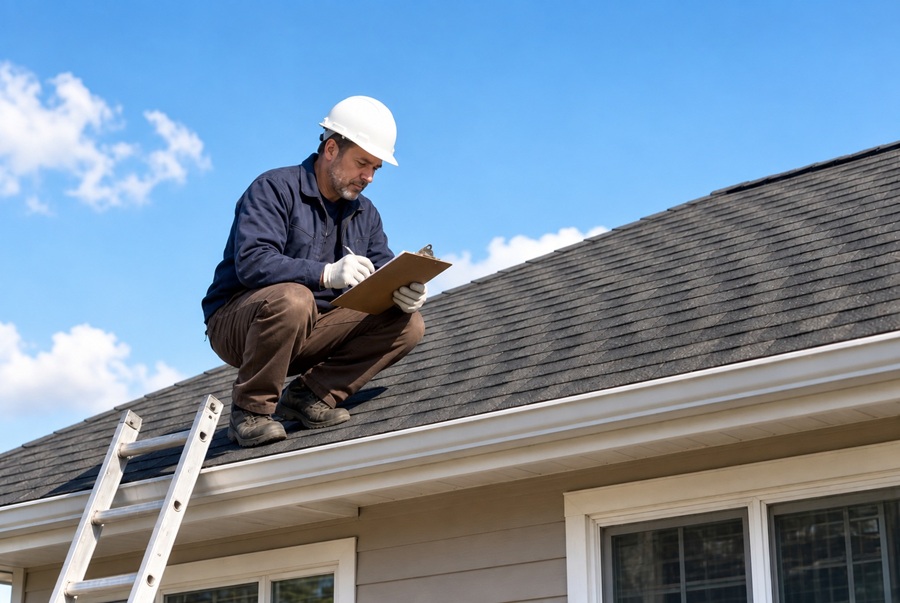
A contractor who quotes a full roof replacement over the phone, without climbing up to look, is guessing. A proper estimate involves someone physically checking:
- Roof age and current material condition
- Decking damage underneath the shingles
- Ventilation and flashing issues that don’t show up from the ground
Roofing Cop and most established local roofers offer a free on-site inspection before giving a written quote. Compare at least three of these in writing, and check that each one lists the same scope of work, so you’re comparing apples to apples instead of guessing why one quote is $4,000 higher.
Ask These Questions Before You Sign Anything
- Can you give me two references from jobs completed in the last six months?
- What’s covered under your labor warranty, and for how long?
- Who’s responsible for permits, and is that cost included?
- What happens if you find rotted decking once the old roof comes off?
A contractor who answers these clearly, without dodging, is showing you exactly the kind of experience and transparency you’re looking for. One who gets vague or pushy is telling you something too.
Red Flags That Mean You Should Walk Away
- Asking for full payment before work starts
- Pressuring you to sign the same day, especially right after a storm
- Showing up uninvited after a storm (“storm chasing”)
- No local business address you can verify
- Refusing to show proof of insurance on request
How Roofing Cop Fits Into This Process
Instead of checking five separate sites for licensing, reviews, and insurance, Roofing Cop pre-verifies contractors on those exact points before connecting you with them. You still get to compare estimates and ask your own questions, but you’re starting from a shorter, already-screened list instead of a random Google results page.
Frequently Asked Questions
How do I verify if a roofing contractor is legitimate?
Look up their license number on your state’s contractor licensing board website, confirm their insurance is active by asking for a certificate of insurance, and read recent reviews that mention specific job details.
How much does a roof repair or replacement cost?
Pricing depends on roof size, pitch, material, and the extent of damage. Getting three on-site estimates is the most accurate way to understand fair pricing for your specific roof, since online cost calculators can’t see your actual roof condition.
Should I always go with the cheapest quote?
Not automatically. A quote well below the others can mean lower-grade materials, no insurance coverage, or a crew that isn’t licensed. Compare scope of work first, then price.
How long does a typical roof replacement take?
Most residential roofs are replaced in one to three days, depending on size, roof pitch, weather, and whether the old layer needs full tear-off.
When is the best time to hire a roofing contractor?
Late spring through early fall is the busiest season, so scheduling in early spring or late fall can sometimes get you faster availability and more attention per job.
Bottom Line
Finding a reputable roofing contractor comes down to four checks: real referrals, verified licensing and insurance, multiple on-site estimates, and clear answers to direct questions. Skipping any one of these is where most bad roofing experiences start. Platforms like Roofing Cop exist to handle the verification part for you, so you can spend your time comparing quotes instead of chasing down license numbers.