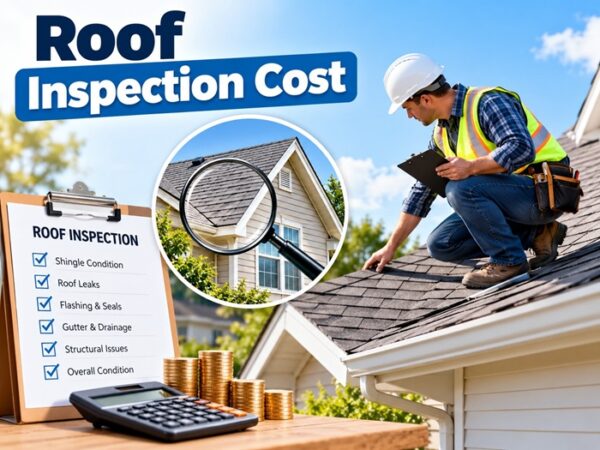
Roof inspection cost is one of those topics that only feels optional until water shows up on a ceiling or a storm strips a few shingles off the roof. It matters because a cheap check at the right time can keep you away from surprise repairs that hit five figures.
You will get a clear picture of what you usually pay, what is included in a proper inspection, when it is worth booking one, and when a quick check is enough. We will also put the fee next to common repair and replacement decisions, so you are looking at the inspection in the same frame as guides like New Roof Cost.
What Homeowners Really Mean By A Roof Inspection
Before anyone talks numbers, you need to know what “inspection” means for the contractor you call, because that is what quietly pushes the roof inspection price up or down. Some companies mean a quick look from the ground, others mean a full attic check, photos and a written roof inspection report you can use for a sale or insurance.
A basic “are you leaking today” visit is often free when you call for Roof Repair Near Me because the contractor expects to quote work. A formal report for a home purchase or an insurance claim is different, takes more time and usually has a clear fee attached so both sides know what is included.
Typical Roof Inspection Cost Ranges In The US
When we talk about roof inspection cost in the United States, we are usually talking about a modest flat fee that covers a site visit and basic documentation. You will see low advertised prices for quick checks and higher ones for written reports that a buyer, insurer or lender will actually read and accept. We wrote a separate piece on Metal Roof vs. asphalt Shingles, and it pairs well with this step.
Prices tend to run higher in big metro areas and resort towns and lower in small cities and rural counties. Bigger, steeper, taller homes take longer and carry more risk, just like a full replacement on a larger house costs more, which you can see in guides such as It Cost to Replace a 2,000 Sq Ft Roof.
How Much Does A Roof Inspection Cost For A Standard Home
If you are asking how much does a roof inspection cost for a typical single family house, there is no single national fee that means much. What we see instead is a band of common prices that sit low enough that finding one real issue and fixing it once usually covers that visit.
One thing to watch out for is the “free inspection” label with no detail from companies that mostly sell full replacements, the same way you would question a “free estimate” on a full Roof Replacement Cost if every conversation turns into a hard sell before anyone has even set a ladder.
Why Some Inspections Are Free And Others Are Not
Some contractors treat the inspection as part of their sales process and fold that time into repair or replacement work. Others price the inspection as a stand alone professional service, especially when reports are used for real estate or insurance files that need clean documentation.
Neither approach is wrong, but you should know which one you are dealing with. If you want documented condition without a sales push, you will probably be happier paying a clear inspection fee, the same way you might prefer a straight price breakdown in a guide like New Roof Cost before you talk numbers with a salesperson.
What A Proper Roof Inspection Should Include
A proper inspection starts with someone getting real line of sight to the materials, not guessing from the driveway with binoculars. Good inspectors move in a set pattern, take photos or short video clips and label what they see in a way another roofer could follow later.
On most asphalt shingle homes the checklist is pretty standard. On flat roofs, metal systems or complex custom builds, the list is longer and more technical, which is one reason a specialist might charge more than a general handyman for the same visit, especially if you are already comparing repair costs in guides about Roof Leak Repair.
Exterior Checks
- Shingles, tiles or panels for cracks or missing pieces.
- Flashing around chimneys, skylights, walls and vents for gaps or rust.
- Gutters and downspouts to see if water is carried off or backing up onto the edges.
- Penetrations like pipe boots, attic vents and satellite mounts for failed seals.
Inspectors also look at how water actually moves across the roof surface, not just at individual parts. They follow valleys and low spots and watch for places where debris collects and moisture sits, which can show up long before a ceiling leak or interior stain appears, especially on older roofs you might be sizing up with a guide like Roof Last.
Attic And Interior Checks
A good inspector goes inside the attic to look for staining, mold, compressed insulation and daylight where there should not be any. They may use a simple moisture meter around suspect areas to see if a leak is active or something that dried out years ago.
On the finished side of the house, stains, peeling paint or soft drywall below known roof penetrations are flagged. That interior check is quick but important because it ties the exterior issue to real damage instead of treating everything as a cosmetic defect.
When Paying For An Inspection Is Worth It
Spending money on an inspection is worth it when you stand to lose a lot more by being wrong about the roof. Home purchases, active leaks and post storm checks are the most common cases where paying for a visit earns its keep.
If you are only curious how old the roof is or whether a few curled shingles matter, a quick look from a local contractor might be enough, especially if you are already reading up on bigger picture cost decisions in the latest post about New Roof Cost.
Buying Or Selling A Home
In a sale, the roof can swing the negotiation by thousands of dollars, so a paid inspection usually counts as cheap insurance for both sides. Buyers want clear photos, written notes and remaining life estimates, and sellers want realistic numbers before they accept a discount for an older roof.
A neutral report keeps arguments out of the mix and gives both parties something solid to point to if they need to bring in a second opinion or schedule follow up work later, which is helpful when you also need to budget for other work like Roof Cleaning.
After Storms Or Hail
After a hard hail or wind event, a structured inspection often decides whether an insurance claim makes sense at all. Missing shingles and small punctures are easy to miss from the yard, especially on taller or more complex roofs.
In hail heavy regions, we tend to see more detailed inspections that map damage by slope because insurers have raised the bar on documentation, which is where a focused service like hail damage roof inspection comes in for both condition checks and claim files.
How To Vet A Roof Inspection Near You
If you have typed roof inspection near me into your phone, you have already seen how many companies say they do this work. The real task is spotting the ones who will give you an honest assessment instead of using the visit as nothing but a sales call.
Start by asking what you actually get for the fee. You want to hear specifics about time on site, access to the roof, attic checks, photos and whether a written summary or a formal roof inspection report is included in that price or billed on top.
Questions To Ask Before You Book
Good inspectors do not mind direct questions, they welcome them, because clear expectations save friction later. Ask how long the visit usually takes, whether they expect you to be home and how soon after they send any write up or photos.
It also makes sense to ask whether they offer repair, cleaning or replacement work themselves or refer you to others. A contractor that does inspections and services will have more context from installs and fixes, which you can see if you scan related topics such as Metal Roof vs. Asphalt Shingles when you are thinking past a simple repair.
Ways To Keep Inspection Costs In Perspective
Roof work is one of the bigger line items in home ownership, so it is natural to stare at every new charge. The most useful way to see the inspection fee is as a small diagnostic cost next to the repair or replacement bills it is trying to prevent or reduce.
If your inspector flags issues when they are still small, you might be looking at a patch and a few materials instead of a full replacement that forces you to plan for long term work using resources such as Roof Last so you are not guessing at the future bill.
One practical thing you can do is keep your paperwork and photos from each visit in one place. Then the next person you hire does not start from zero, they can see what changed over the last few years and where attention keeps coming back, and you can spot patterns early.
That history also helps you judge whether you are getting close to the end of the current roof’s life and should start lining up budget and quotes instead of waiting for the next bad storm to force the issue, which is when posts like New Roof Cost become more than just research.
Conclusion
Paying for an inspection only stings if you feel like you did not get clear eyes on the roof and clear words on what to do next, which is why being specific about scope and roof inspection cost matters up front. A modest fee, paid at the right time, can save you from guessing and from the kind of water damage that ruins more than shingles.
If you are weighing an inspection because something already looks off or you know the roof is aging out, get qualified eyes on it before small issues grow, and reach out to Roofing Cop if you want a contractor that treats your roof the way they treat their own. If you are ready to talk through your options, use the details on the Contact Us page to set up a visit that fits your schedule.
Frequently Asked Questions
Q1. Is a roof inspection really necessary if I am not seeing leaks
Ans. A roof inspection can be worth it even when you do not see an active leak, because many problems start small and hidden. Catching cracked flashing or early shingle wear is cheaper than repairing ceilings and insulation after water gets in. Occasional checks are most useful once the roof is past the halfway point of its expected life.
Q2. How often should I schedule a roof inspection
Ans. Most homeowners do well with an inspection every few years, then more often as the roof ages or after major storms. Newer roofs under warranty might only need a professional look after severe weather or if you notice something unusual. Older roofs that are close to replacement age may benefit from annual visits so you can plan ahead.
Q3. How long does a roof inspection usually take
Ans. A typical inspection on a single family home often takes under a couple of hours, though complex roofs or difficult access can extend that. Time on site includes exterior checks and, if included, attic and interior review. The written summary or photos may arrive later the same day.
Q4. Can I inspect my own roof instead of paying someone
Ans. You can and should do simple visual checks from the ground and from inside your attic, because those often reveal obvious issues. Walking the roof without training or safety gear is risky and can damage some materials, especially on steep or aging roofs. A professional is usually better for close inspection, testing and documenting what they find.
Q5. Does homeowners insurance pay for a roof inspection
Ans. Homeowners insurance does not usually pay for routine maintenance inspections, since those are considered part of normal upkeep. Some policies may cover inspection costs that are directly tied to a covered claim, such as documented storm damage, but that depends on the insurer and the situation. It is reasonable to ask your agent how they handle that before you book.
Q6. What should be included in a roof inspection report
Ans. A useful report should include a clear summary of the roof’s condition, notes on any defects and photo evidence of problem areas. It should also outline suggested repairs or monitoring and give you a sense of urgency for each item. That way you can prioritise work instead of guessing what matters first.