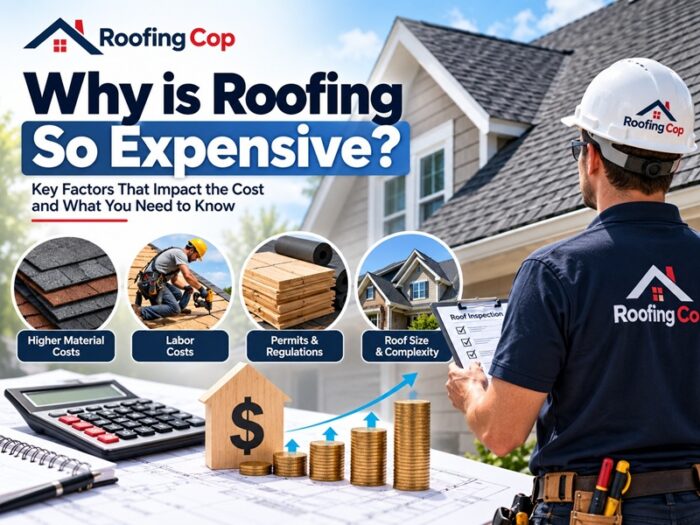
The topic of why is roofing so expensive keeps coming up in 2026 because roof estimates now look closer to a car payment than a small home repair. Prices jumped after 2020 and have not dropped back, and if your roof is leaking or storm damaged, you do not get to wait for a sale.
We are going to unpack what actually drives that number, why it feels so far from what your neighbor remembers paying, and which parts of the quote you can change without hurting the roof. You will see how material and labor costs work, how tariffs and local demand show up in your bid, and where you can trim or upgrade with a clear head instead of guessing.
Why Roof Quotes Feel So High In 2026
Many homeowners asking why are roofs so expensive compare a current quote to what a friend paid in 2018 and assume someone is padding the bill. In reality, almost every piece of the job costs more now, from shingles and nails to insurance and fuel, and a quick look at our New Roof Cost guide shows how wide that shift can be.
Your final price is a stack of real costs, materials and labor, plus permits, dump fees and company overhead. If one bid comes in far lower than the rest, something in that stack is being skipped or underpriced, and our Metal Roof vs. Asphalt Shingles guide shows how material choices alone can change that pile a lot.
Why Has Roofing Cost Gone Up So Fast
Homeowners asking why has roofing cost gone up are feeling several years of increases at once instead of slow, steady climbs. Asphalt based products rose as oil and freight climbed, metal followed its own commodity cycle, and suppliers had to live with higher warehouse and staffing expenses.
Suppliers rarely roll prices back to old levels when things calm down again. They hold the new baseline and offer targeted discounts instead, which is part of why our Roof Replacement Cost section shows such a gap between older projects and current bids.
How Material Costs Push Your Roof Price Up
Contractors have been dealing with a steady roofing material price increase for several seasons, and that shows up line by line in your estimate. Shingles, underlayment, nails, sealants, vents and decking all cost more than they did a short time ago, and our post on Roofing Materials for Residential Homes (2026 Guide) gives a clear picture of how each type is priced.
If you have a low slope or flat section, material choice matters even more, and options like TPO Roofing come into play. Those systems can look pricey on day one but they often stay watertight longer on flat decks and cut down on repair calls.
Asphalt, Metal And Beyond
Asphalt shingles are usually still the lowest upfront material on the bid sheet, but even budget lines are not cheap in 2026. Metal and composite products start higher in price yet often last longer and deal with heat or wind better than entry level shingles, as we cover in our article on Pros and Cons of Different Roofing Materials.
When you compare options, look at lifespan, warranty, wind rating and how the roof will look on your house. A slightly stronger shingle or panel can work out better over twenty years than the rock bottom option that needs replacement while you still own the place.
Hidden Material Items On Your Quote
The line items that confuse people are not the shingles, they are the parts bundled under accessories or roof system components. Flashing, drip edge, ice and water membrane, ridge vents and upgraded underlayment all add real money to the pile and they are explained in our Roof Last guide because they affect lifespan as much as the main surface.
Those pieces move water off the structure and protect your attic from heat, so they are not fluff. If you are forced to trim, talk with your contractor about stepping down one shingle tier first and then review options in our Roof Cost section before you touch ventilation or waterproofing.
Labor, Insurance And The Human Side Of The Price
The labor portion of your quote is where people often suspect hidden padding. Skilled roof crews are in short supply, and they are not climbing steep pitches with heavy bundles for the pay they earned a decade ago, which is one reason a fresh roof inspection cost more than it used to.
On top of wages, contractors pay for workers comp, liability insurance, licenses and training, and those costs have climbed too. None of that shows as a neat line on the quote, but it is baked into the rate, and our article on New Roof Cost walks through how labor sits next to materials in a typical bid.
Why Insurance And Licensing Matter To You
Cheap crews sometimes skip proper insurance or license requirements, which can leave you exposed if someone gets hurt or something goes wrong. You do not want a fall on your property turning into your legal and financial problem, so our Roof Replacement Cost guide always recommends checking documents before you sign.
Before you pick a roofer, ask for a certificate of insurance and check that the business name matches your contract. If you are still debating timing, comparing labor and replacement timing with our roof inspection cost section can help you decide when to bring a pro out.
The Role Of Tariffs, Weather And Local Conditions
People rarely think about trade policy until it shows up in a roof quote. Tariffs on steel, aluminum and some manufactured products raise the baseline for metal roofing and certain accessories, and local suppliers price around that higher floor, which is why our page on Metal Roof vs. Asphalt Shingles talks about regional price swings as well as material differences.
Regions hit by repeated hail or hurricanes often see spikes in labor and material pricing as demand outstrips the crews and stock that are available. After a big storm, it is normal to see out of town contractors roll in, and our Roof Cleaning guide explains how basic upkeep between storms can delay a full replacement.
Why Your Neighbor In Another State Paid Less
Roof pricing is very local. Someone in a mild climate with lots of competing contractors will see different numbers from a homeowner in a smaller market where only a few reputable companies operate, as you will notice when you compare our New Roof Cost ranges by region.
Instead of chasing what a cousin paid three states away, line up two or three quotes in your own town built on the same scope. For real comparisons, use the same tear off plan, material tier and warranty length on each bid and check them against our Roof Cost section for context.
How To Read A Roof Quote Without Guessing
When you are trying to figure out why your number seems high, start by breaking the estimate into parts instead of staring at a single total. Separate tear off and disposal, materials, labor, wood replacement allowance and optional upgrades, then compare that layout to the examples in our New Roof Cost guide.
Ask each contractor to explain what is included in those buckets and what triggers a change order during the job. If a quote does not mention the decking and your existing wood is borderline, that is a red flag, and our Roof Last article explains why weak decking shortens the life of even expensive shingles.
Questions To Ask Before You Sign
- Is this a full tear off or a layover on top of old shingles?
- What brand and exact product line of shingle or membrane is priced?
- How much is budgeted for wood replacement and how is extra billed?
- What type of underlayment and ice barrier is included in valleys and eaves?
Good contractors expect these questions and will have clear written answers ready. If you are still in the early planning stage, our Roof Replacement Cost section gives useful budget ranges before you start scheduling visits.
How To Save Money On A New Roof Without Regretting It
Homeowners searching for how to save money on a new roof often start by chasing the cheapest quote. A better approach is to decide where trimming cost will not shorten the lifespan or wreck the warranty, then make careful cuts and use our New Roof Cost guide to sense check them.
The cleanest ways to save sit in timing, scope and exact material line. Booking outside peak storm season can help and skipping non critical extras keeps things reasonable, and if you are weighing flat roof options while you plan, our article on TPO Roofing is a useful companion.
Smart Ways To Cut The Bill
One real saving is fixing small problems before they turn into a full tear off. Replacing a few damaged shingles, sealing flashing and handling basic moss removal early can buy you time, and our Roof Cleaning guide walks through what can be done as maintenance.
Another place is scope. Sometimes you can safely replace a worn section or defer an accessory upgrade that is nice but not urgent, and reading about life expectancy in our Roof Last guide helps you judge how far you can push that.
Where You Should Not Cut Corners
There are spots where saving a little today costs a lot later. Skipping ice and water shield in snowy regions, choosing the lightest shingle in a high wind zone or hiring an uninsured crew all fall in that category, and our post on Longevity Over Low Price explains why paying more upfront can be safer over time.
If you are torn between systems and plan to keep the home a long time, it is usually smarter to spend on the core roof system and skip cosmetic extras that can be added later. That might mean a better shingle and proper ventilation instead of fancy ridge caps or upgraded gutters on day one.
Conclusion
By now the question of why is roofing so expensive in 2026 should feel less like a mystery and more like a set of parts you can see. Material pricing, labor, tariffs and local demand all play a role, and your choices on scope, timing and material tier bend the number too.
If you walk into the quote process clear on those levers, you are more likely to get a solid roof at a fair price and less likely to be surprised by change orders. For help making sense of your own estimates or planning the project in more detail, reach out to Roofing Cop through the Contact Us page before you sign anything.
Frequently Asked Questions
Q1. Why did my roof estimate almost double compared to 5 years ago?
Ans. Roof estimates have climbed because nearly every input costs more than a few years ago, especially materials and labor. If you are comparing to a much older quote, you are seeing several years of increases at once instead of small yearly bumps. The best way to judge your number is to compare several current bids with the same scope, not older projects.
Q2. Is it cheaper to repair my roof or replace it?
Ans. Repair is cheaper in the short term, but it only makes sense if the roof has plenty of remaining life and the damage is limited. If you have widespread curling, granule loss or repeated leaks, replacement usually works out better over time than patching the same system again and again. A local roofer can tell you honestly which side of that line you are on after an inspection.
Q3. Does insurance pay for a whole new roof if I have hail damage?
Ans. Sometimes insurance will pay for full replacement, but it depends on the policy, the age of the roof and how the adjuster reads the damage. Cosmetic marks on metal may not qualify, while functional damage that affects water shedding often does. Document everything, meet the adjuster on site and be prepared to appeal if you disagree with the initial scope.
Q4. Can I save money by keeping one layer of old shingles?
Ans. Keeping an existing layer and installing new shingles over it usually lowers tear off and dump costs. The trade off is extra weight, hidden deck problems and a shorter lifespan, since heat builds up more in layered roofs. Many jurisdictions also limit how many layers are allowed, so check local codes before you even consider it.
Q5. How many roof quotes should I get before deciding?
Ans. Two or three detailed quotes with the same scope is usually enough to see the range in your area. Too many estimates tend to blur together and delay the repair while the roof keeps aging. Focus on the companies that answer questions clearly, provide references and have proper insurance instead of the one that simply comes in lowest.
Q6. Will waiting a year or two make roofing cheaper?
Ans. Roofing prices do not usually fall in a big way once they rise, so waiting rarely makes the job cheaper. If your roof is failing now, the extra water damage you risk can cost more than any small price change. The only good reason to wait is if a qualified roofer says the system has enough safe life left and there are no active leaks.
1 thought on “Why Is Roofing So Expensive in 2026? Materials, Labor, Tariffs, and Ways to Reduce the Bill”